

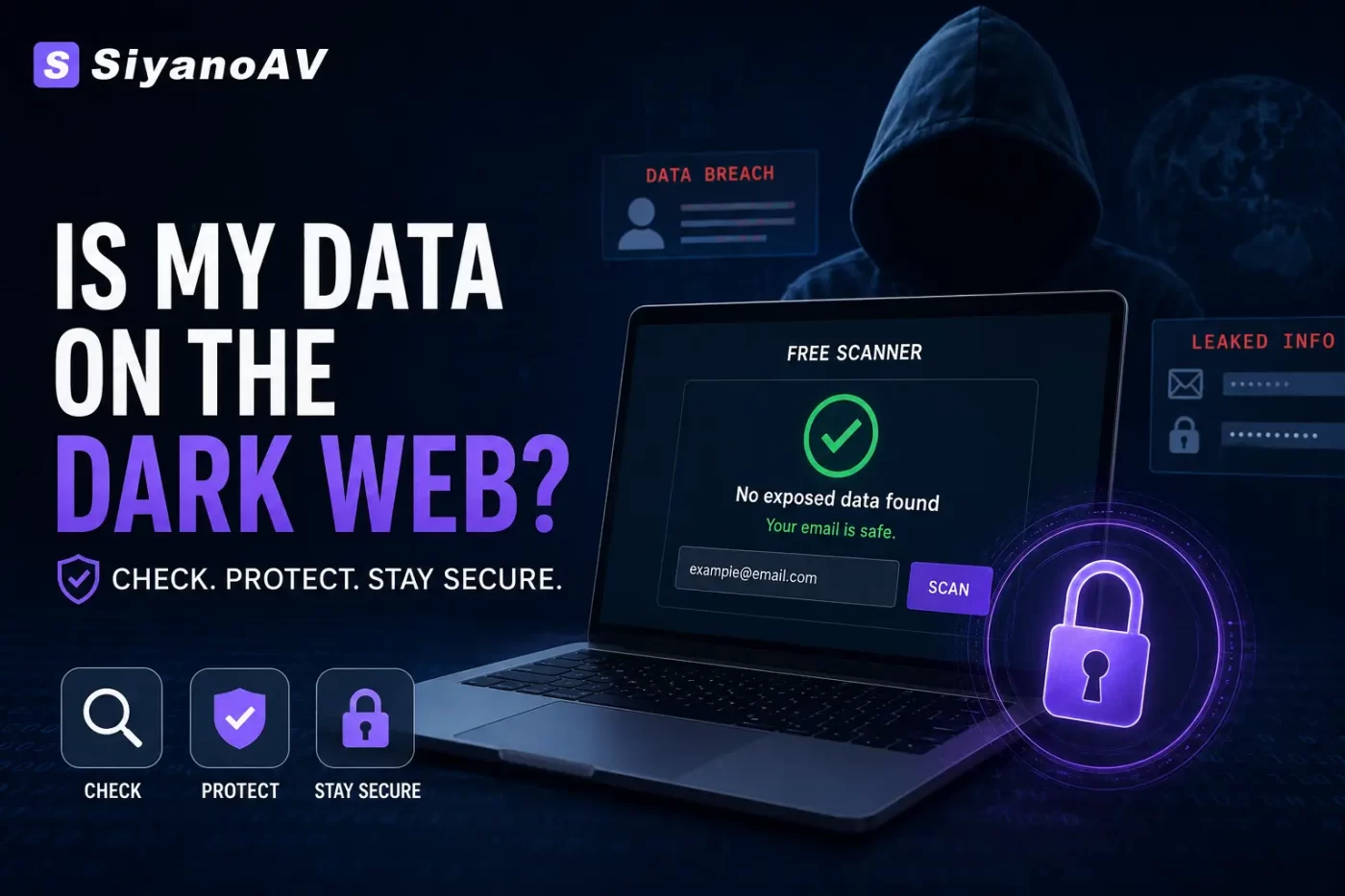

Every other week, we hear about another massive corporate data breach. Honestly, it gets exhausting. You try to create decent passwords, you don’t click on sketchy links, but then some giant ticket company or hotel chain gets hacked, and your private info is just out there. It makes you wonder, is my data on the dark web already? The truth is, it probably is. But instead of panicking, you need to actually check what’s exposed so you can fix it. Finding out where your leaked email info is hiding doesn’t require paying sketchy security companies for a dark web data check free of charge.
That’s Where Most People Get It Wrong
A lot of folks think the dark web is this mystical, highly technical underworld where hackers actively type code to ruin your specific life. It’s not. Most leaked info just sits in massive, boring text files that get traded on forums.
Here’s the thing: you shouldn’t pay a premium subscription just to see if your login leaked. You can find out right now. If you want a quick data breach check, the absolute gold standard is Have I Been Pwned (external link with dofollow authority). It’s an incredible, community-trusted site where you just type your email address, and it instantly tells you which database hacks you were bundled into.
Now let’s be real for a second. Some people ask about a google dark web report alternative because Google shifted its feature set around inside the Google One app recently. If you want a solid have i been pwned alternative free tool, checkout tools like Cybernews or Mozilla Monitor. They do the exact same thing. They scrape known leak databases and tell you if your password or phone number is floating around.
Free Tools vs. Paid Monitoring
Let’s look at how these free checkers stack up against those expensive, annoying monthly security subscriptions—and where a smart tool actually fits in.
| Feature | Free Scanners (Like Have I Been Pwned) | SiyanoAV Total Security (Smart Edge) | Paid Protection Packages |
| Cost | Completely free | Affordable bundled security | $10 to $30 a month |
| Speed | Instant results | Real-time monitoring | Runs in background |
| Signup Requirement | None (just type email) | Single account for full device safety | Requires credit card & full profile |
| What they catch | Major public data dumps | Public dumps + identity leak shielding | Major dumps plus some private forums |
| Annoyance Factor | Zero | Zero (silent protection) | Constant upselling notifications |
Steps to Follow If Is My Data on the Dark Web Is True
Alright, so you ran a scan and found out your old password from a random forum you used in 2019 is compromised. Don’t lose sleep over it, but do take twenty minutes to clean up the mess.
First, if you use that same password anywhere else—especially for your banking or primary email—change it immediately. That’s the biggest mistake people make. Hackers use automated bots to test leaked password combos across hundreds of websites.
Second, turn on two-factor authentication (2FA) everywhere you can. Even if someone buys your password off a forum for five cents, 2FA blocks them from getting in because they don’t have your physical phone.
“Most identity theft doesn’t happen because someone targeted you specifically. It happens because you left an old password active on an important account for five years straight. Clean your digital room once a year, and let your security software handle the real-time background noise.” — A recovered IT administrator
If you are looking for a reliable, no-nonsense dark web monitoring free tool, consider setting up an email breach checker alert. While web scanners tell you about the past, antivirus setups like SiyanoAV keep an eye on your actual device to ensure no spyware is secretly leaking your new passwords in real-time. You can learn more about configuring these automatic defenses in our comprehensive guide on SiyanoAV advanced threat defense features (internal link). This saves you from having to manually check every few months and gives you a dark web alert free from the anxiety of the unknown.
FAQs
How to check if my email is on the dark web without signing up?
Just visit a trusted public registry like Have I Been Pwned. You just type in your email address on the homepage and hit enter. It won’t make you create an account or give them your mother’s maiden name just to see the results.
What is the best free tool to check dark web exposure?
Honestly, Have I Been Pwned is still the absolute best. It has the largest database of verified breaches and doesn’t try to sell you identity theft insurance every five seconds.
How do I know if my password was stolen?
Free scanners will tell you if your email account was compromised. Many modern browsers, like Chrome and Firefox, also have built-in password managers that will explicitly flag a saved password as “compromised” if it matches a known leak.
Can SiyanoAV stop my data from going to the dark web?
It can’t stop a giant company you shop at from getting hacked, but it can stop keyloggers and malware on your own computer from stealing your passwords and banking details directly from the source.
Can I remove my data from the dark web?
Not really, no. Once a hacker posts a database file on a forum, anyone can copy it. You can’t delete it off their hard drives. The only real solution is to change the stolen password and protect the account with two-factor authentication so the leaked data becomes useless.
Is my information on the dark web 2026 update?
With the massive breaches happening over the last year, almost everyone’s phone number or email is on a list somewhere. Treat your personal data with the assumption that it might be public, and secure your accounts accordingly.
Conclusion
At the end of the day, finding out your information leaked isn’t the end of the world. It’s just part of living online nowadays. If you suspect that is my data on the dark web applies to your accounts, take five minutes to run a dark web data check free scanner, figure out which old accounts are vulnerable, and update your passwords. Keeping your device clean with SiyanoAV and staying alert doesn’t require a computer science degree; it just takes a tiny bit of regular digital maintenance.

Leave a Comment