

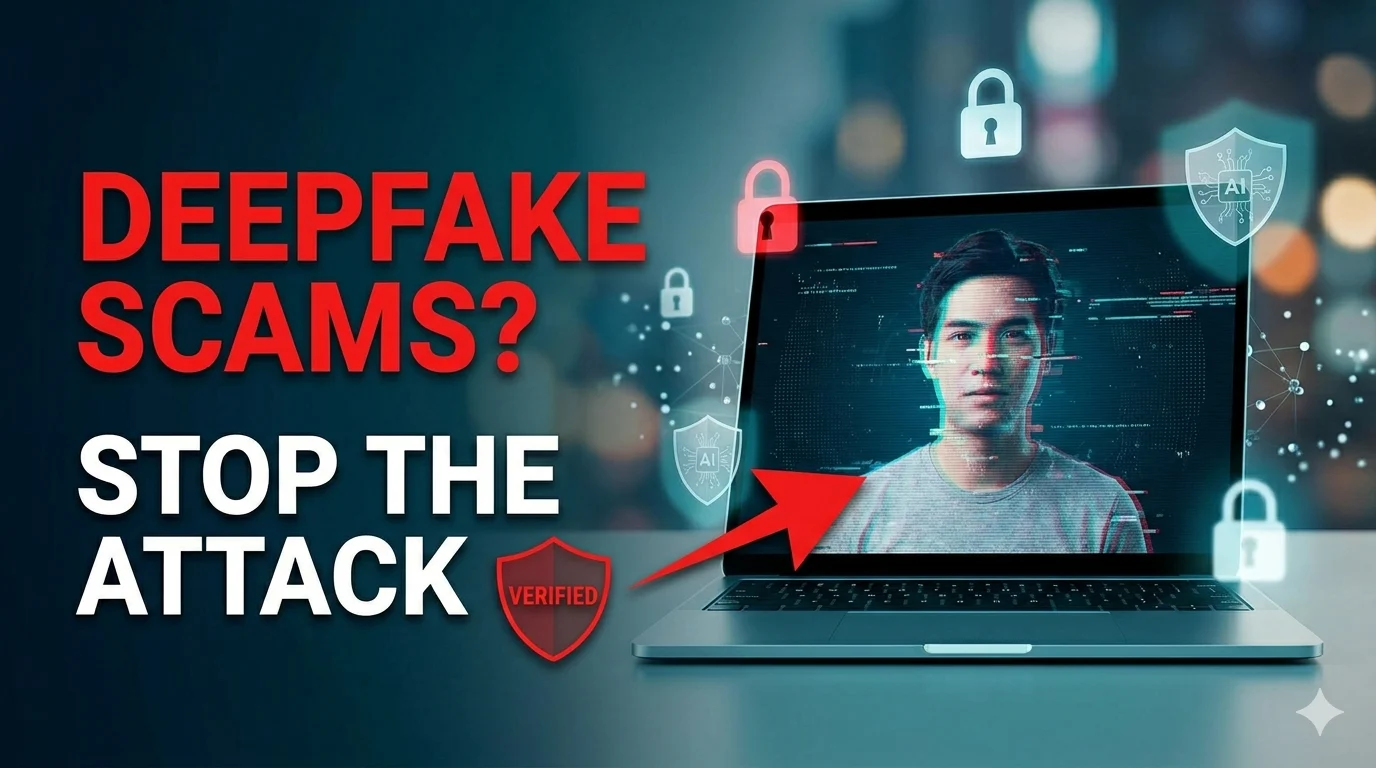

A dangerous deepfake cyber attack is no longer a sci-fi movie plot; it’s hitting regular families and offices right now. We all love those funny internet videos where actors swap faces on social media. It’s all good fun until you get a frantic WhatsApp call from your daughter or your company’s director, begging for an emergency wire transfer. The voice sounds perfect. The face matches completely. But here’s the scary part—it’s a ghost in the machine. Dealing with a modern deepfake cyber attack is genuinely terrifying. Let’s break down how this mess works and how you can protect your wallet without losing your mind.
How Do Deepfake Attacks Work in Cybersecurity?
That’s where most people get it wrong. They assume you need a massive Hollywood budget to execute a successful deepfake cyber attack. The truth is, generative AI fraud has become incredibly cheap and accessible. Bad actors just use online deepfake-as-a-service platforms. They grab a one-minute video you posted on Instagram or a speech your CEO gave on LinkedIn, feed it into an app, and just like that, they have a cloned voice.
From there, a targeted social engineering AI attack begins. It usually kicks off with a basic deepfake phishing attack—like a calendar invite or a sudden business email compromise setting up a rush meeting. Then, they hit you with a targeted deepfake video call scam to close the trap. They count on you panicking so you don’t stop to think.
Let’s be real for a second. We’ve already seen crazy deepfake attack examples 2025 2026 where whole accounting teams transferred millions because a virtual version of their boss told them to. It’s a massive deepfake cybersecurity threat because humans are naturally wired to trust their own eyes and ears.
The Big Three Scams Flying Around Right Now
You can’t fight what you don’t know. If you want to know how bad actors execute a deepfake cyber attack, you have to look at what the playground actually looks like right now:
1. Deepfake CEO Fraud
This is a highly upgraded corporate identity verification bypass. A perfect clone of your supervisor’s voice speaks to you over the phone, completely ignoring standard verification steps to push through a fake transaction.
2. Deepfake Voice Fraud
People often ask, can AI clone voice for scam calls? Yes, easily. Scammers use voice cloning to call parents pretending a child is in trouble, using a cloned voice to demand quick cash.
3. AI Deepfake Scam Clips
Video messages sent via DM, using face swap technology to pretend to be a friend asking you to click a malicious link or log into a weird site.
The Ultimate Shield Against a Deepfake Cyber Attack
Catching these takes a bit of focus because synthetic media is getting frighteningly smooth. However, adversarial AI still leaves weird little clues. When you’re stuck in the middle of a suspicious call, the easiest way to identify a deepfake cyber attack is by hunting for minor visual errors.
-
Watch their eyes: Do they blink like a normal person? AI often messes up natural blinking.
-
Check the edges: Look at the face near the ears and neck—does the skin blur or shift when they turn?
-
Listen to the audio: If the audio sounds slightly hollow, looks like AI impersonation, or doesn’t perfectly match the lips, hang up immediately.
Here is an honest breakdown of what actually keeps you safe when you want to protect business from deepfake fraud.
Deepfake Defense Comparison
| Safety Strategy | Is it Reliable? | The Real Story |
| Scanning for Glitches | Sometimes | Good for bad deepfakes, but high-end AI is getting too clean to spot with the naked eye. |
| Deepfake Detection 2026 Tech | Mostly | Useful for screening emails and network traffic, but won’t save you during a live phone call. |
| Setting a Safe Word | Always | Old school but unhackable. AI cannot guess a private code phrase you shared with your family or team. |
“We stopped guessing if videos were real. We just adopted strict zero trust security protocols. If a high-stakes request comes in via video or voice, we hang up and call back on a verified number. No exceptions.”
— Rajesh K., Freelance IT Security Consultant
Setting Up Your Defenses Against Vishing Attack Risks
To fully secure your perimeter against a coordinated deepfake cyber attack, you can’t rely on pure luck anymore. If you want to survive an AI-generated impersonation attack, you need a solid defensive checklist.
Start by fixing your identity verification processes. If you run a business or an IT department, make multi-factor authentication mandatory for every single access point. Next, fix your communication rules. No urgent financial transaction should ever go through based on just a single phone call or video stream. Always use an independent secondary channel to verify identity deepfake threats before moving an inch. Go warn your office folks, check our recent guide on how to set up advanced antivirus tools internally, or just call your parents right now and set up a family word.
FAQs
What’s the most common deepfake cybersecurity threat today?
Live deepfake voice fraud is the biggest issue right now in cybercrime 2026. It takes very little data to clone a voice, and people trust phone calls easily.
How to verify identity deepfake traps during a live conversation?
Ask them something completely random that a hacker wouldn’t know. Like, “What did we eat for lunch yesterday?”
Are tools for deepfake detection 2026 actually reliable?
They are getting better at spotting synthetic media, according to recent MIT technology reviews, but hackers update their tech daily, so you can’t rely 100% on software.
Can a regular person stop a deepfake phishing attack?
Yes. Locking down your social media profiles helps a lot. It prevents scammers from stealing your voice notes or videos to clone you.
Why does zero trust security help against AI scams?
Because it teaches your team to never trust a voice or face blindly. Every unusual request requires a manual callback to verify.
Conclusion
Beating a deepfake cyber attack isn’t about living in fear; it’s about changing how you react to urgency. The tech behind these tools changes fast, but the psychological trick is always the same—they want you to rush. Dodging a nasty AI deepfake scam comes down to breathing for a second, forcing everyone to use a secret corporate password, and just staying sharp. Don’t let a realistic video override your common sense.




Leave a Comment