


It is the ultimate paradox of modern cybersecurity. You can deploy every software patch the exact microsecond it drops, enforce ruthless password rules, and dump half your annual budget into flashy enterprise firewalls. Yet, an invisible digital ghost can still slip right past your entire defense stack without triggering a single alarm. Why does this happen? Because traditional security relies on a deeply flawed premise: the assumption that we actually know what we are fighting against. When you are dealing with the bleeding edge of cyber warfare, your biggest threat isn’t a known malware strain—it’s the completely hidden backdoor that neither you nor the software vendor even knows exists.
What is a Zero-Day Vulnerability?
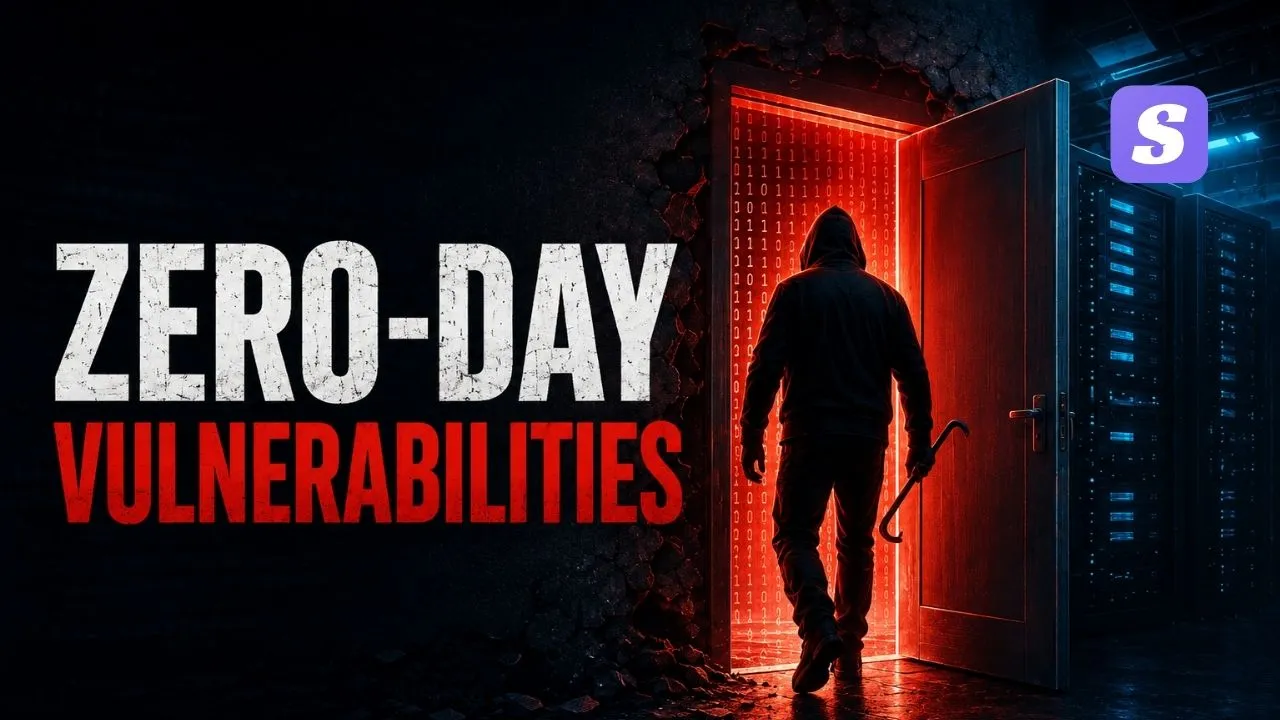
A zero-day vulnerability is an unpatched, totally hidden security flaw in software or hardware that is completely unknown to the vendor, leaving them with exactly zero days to create a fix. Think of it like a secret manufacturing defect in a vault lock that the designer completely missed, but a clever thief just stumbled upon. Because the software creator is totally blind to this specific loophole, no security patch exists anywhere on Earth to close it. I recently audited a network setup in Bengaluru where the IT head perfectly captured the anxiety: “It is like realizing your building has a secret back door you never built, and an intruder is already walking through it with a crowbar.” Until a patch is coded, every network running that software remains exposed.
What is a Zero-Day Attack?
A zero-day attack occurs when cybercriminals actively weaponize an unpatched software flaw to breach networks, steal data, or deploy malicious ransomware before the developer can release a fix. To stick with our security analogy, this is the exact moment the intruder locates that hidden backdoor, swings it wide open, and begins raiding the premises. Hackers move with incredible speed during these campaigns because they know they are racing against security researchers who might spot the anomaly. Looking at recent zero-day vulnerability examples 2026, threat actors are aggressively targeting enterprise edge gateways and cloud storage systems across India, catching busy infrastructure teams completely off guard.
Zero-Day vs Known Vulnerability: The Core Differences
Understanding how a zero-day vs known vulnerability differs is the first major step toward building a proactive defense strategy that keeps your business online.
| Feature | Zero-Day Vulnerability | Known Vulnerability |
| Public Knowledge | Completely unknown to the vendor and public | Documented in public databases like the CVE |
| Patch Availability | Zero patches exist when first exploited | Fixes, patches, or firmware updates are available |
| Detection Difficulty | Extremely high; bypasses traditional signatures | Relatively simple using standard security scanners |
| Risk Level | Critical, as defenses are completely blind to it | Moderate to high, depending on patch deployment speed |
| Exploitation State | Discovered because an active attack is happening | Exploited when businesses neglect routine maintenance |
| Primary Defense Focus | Behavioral AI analysis and zero-trust isolation | Rapid patch management and routine system updates |
The Ultimate Zero-Day Vulnerability Checklist for IT Admins India
Mitigating these hidden threats requires moving away from reactive patching and shifting toward continuous system isolation and behavioral monitoring. Use this checklist to audit your enterprise infrastructure:
-
Deploy Behavioral AI Endpoint Security: Traditional signature-matching tools fail against unknown bugs, making advanced enterprise endpoint protection against zero-day threats your first line of defense.
-
Enforce Strict Network Segmentation: Divide your internal networks into isolated micro-zones so that if a breach occurs, the threat cannot move laterally across the company.
-
Implement Zero-Trust Access Architecture: Never trust any device, user, or internal application by default, requiring continuous verification for every single connection asset.
-
Maintain Immutable Isolated Backups: Keep your critical business data backups completely disconnected from the main network to survive sudden ransomware extortion attempts.
-
Establish an Incident Response Plan: Detail explicit, step-by-step containment protocols so your team can isolate compromised cloud servers within minutes of anomaly detection.
-
Decommission Legacy Outdated Software: Permanently retire old applications and operating systems that are no longer actively supported or patched by their original vendors.
How to Respond to a Zero-Day Attack in 4 Steps
-
Isolate the affected network segments instantly to stop the threat from reaching your core infrastructure.
-
Disable compromised user credentials, admin accounts, and API keys associated with the breach point immediately.
-
Deploy temporary runtime rules or virtual patching via your web application firewall to block the specific exploit traffic pattern.
-
Notify internal stakeholders and prepare your regulatory documentation to comply with the latest government data breach guidelines.
Master the CERT-In 12 Hour Patching Rule
Navigating the regulatory landscape in India means your security team must closely monitor every critical CERT-In zero-day vulnerability advisory. When a massive flaw threatens national cyber infrastructure, the government can trigger a strict CERT-In 12 hour patching rule for critical sectors. To successfully figure out how to comply with CERT-In patch mandate requirements, enterprise IT departments must possess a dynamic inventory of every asset running on their network. I have watched short-staffed IT teams crumble under this pressure simply because they wasted the first six hours just trying to locate where the vulnerable software was installed. True compliance requires automated zero-day patch management best practices, allowing your team to push emergency workarounds or configuration changes across thousands of endpoints simultaneously at a moment’s notice.
Zero-Day Exploit Prevention Tips for Businesses
Can you completely bulletproof your business against an unknown digital threat? Honestly, no—anyone promising 100% security is selling you snake oil. However, you can make your company an incredibly difficult, expensive, and frustrating target for hackers to crack. Cybercriminals love picking on low-hanging fruit, so when you combine a rigid zero-trust framework with robust zero-day vulnerability management tools, you effectively shut the main gates. Invest heavily in continuous employee awareness, run regular simulated fire drills for your IT staff, and ensure your endpoint defenses rely on smart behavioral analysis rather than outdated definitions.
Frequently Asked Questions
How to protect against zero-day attacks if no software patch exists?
You can protect your systems by using advanced behavioral AI security tools, strict network segmentation, application whitelisting, and virtual patching through a robust web application firewall.
What is a zero-day exploit in simple terms?
A zero-day exploit is a cyberattack that takes advantage of a completely unknown software bug before the creators have a chance to fix it.
Why are zero-day attacks increasing so rapidly in India?
Attacks are rising due to rapid digital transformation, expanding cloud adoption, and sophisticated hackers targeting critical infrastructure and supply chains.
What is the best antivirus for zero-day protection in corporate networks?
The best antivirus uses next-generation Endpoint Detection and Response (EDR) powered by behavioral heuristics rather than traditional file signature matching.
How does zero-day patch management differ from routine software updates?
It focuses on rapid deployment of emergency vendor workarounds, configuration changes, or virtual shielding before official stable patches are completed.






Leave a Comment