


The New Nightmare for Small Businesses
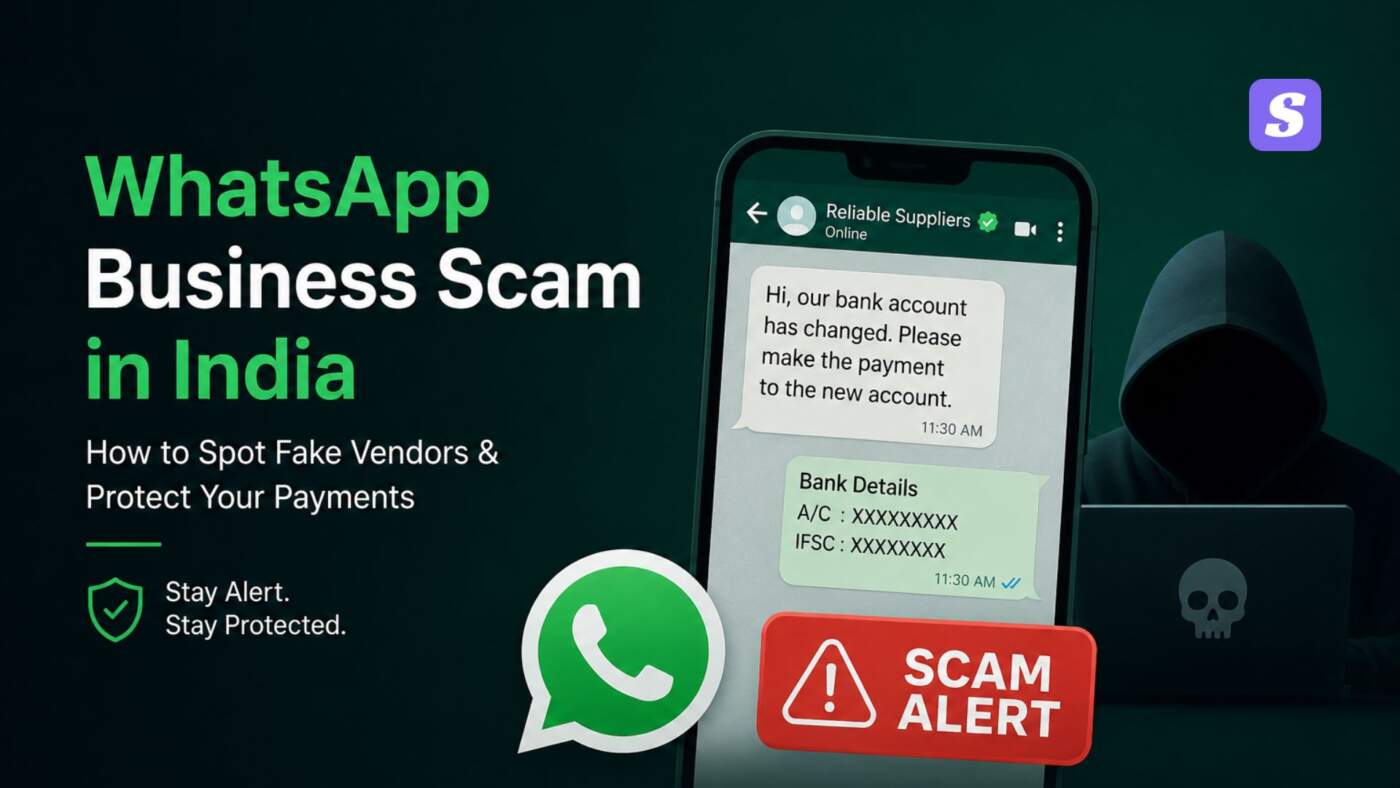
Imagine this. You are running around managing inventory, dealing with clients, and your phone buzzes. It’s your regular supplier on WhatsApp asking for a quick payment redirect because their bank server is down. You are busy, so you just click transfer.
Boom. Your money is gone, and the real vendor has no idea what you are talking about.
That is exactly how a WhatsApp business scam India traps smart people every single day now. Fraudsters are getting incredibly good at cloning profiles, stealing logos, and pretending to be someone you already trust. Whether you are an IT professional handling vendor software licenses or a small business owner sourcing raw materials, this mess is targeting everyone.
Here’s the thing. It’s not just random spam messages anymore; it is highly targeted identity theft happening right on your chat screen. Let’s look at how to protect your hard-earned money.
How the WhatsApp Vendor Fraud India Actually Works
Most people think cybercrime is all about complex coding and hacking into servers. Honestly, the reality is much simpler and more frustrating. Scammers just exploit human psychology and busy schedules.
They start by creating a business profile using a stolen logo. They might even get a fake verification badge or use a WhatsApp Business account fraud setup to look official. Next, they send a message that looks identical to a genuine invoice. They will claim their bank account changed or offer a “limited-time urgent discount” if you pay right now.
That is where most people get it wrong. They trust the profile picture instead of verifying the person behind it. This payment redirect fraud WhatsApp style works because we treat chat apps like casual, safe spaces. But in 2026, it is the primary hunting ground for these thieves.
Expert Insight
“Never update vendor payment details based on a text or chat message alone. If a supplier changes their banking info, you pick up the phone and call their registered office number. A two-minute confirmation call saves lakhs of rupees.”
— Rajesh Sharma, Corporate Cybersecurity Consultant
Spotting the Red Flags Before You Pay
Now let’s be real for a second. How do you actually know if you are talking to a fake vendor WhatsApp scam operator?
Look out for intense urgency. Scammers hate waiting because delays give you time to think. If a client impersonation WhatsApp message drops into your inbox demanding an immediate advance payment for an order, freeze. Take a breath.
Another giveaway is the bank account name. If your vendor is “Dynamic Logistics” but the UPI ID or bank account name belongs to an individual named “Ramesh Kumar,” something is seriously wrong. They will give you some lame excuse about tax savings or corporate account issues. Don’t buy it.
Real vs. Fake Business Accounts
It is getting harder to tell who is who. Here is a realistic breakdown of what a genuine business interaction looks like compared to a trap.
| Feature | Genuine Vendor / Client | Fake WhatsApp Scammer |
| Payment Changes | Shared via official email with signed hardcopies. | Shared suddenly via chat as an “urgent” update. |
| Language & Tone | Professional, standard business terms. | Aggressive, pushy, or grammatical errors. |
| UPI/Bank Details | Matches the registered business name. | Often belongs to unrelated individuals. |
| Verification | Happy to jump on a normal phone call. | Makes excuses to avoid direct voice/video calls. |
Actionable Steps to Protect Your Cash
The truth is, technology won’t save you if your habits don’t change. To stop WhatsApp business scam India operators from draining your accounts, you need strict internal rules.
-
Establish a Secondary Verification Protocol: Never process payments based solely on a WhatsApp chat. Use an internal portal or official email to verify changes.
-
Train Your Team: If you have employees handling accounts, teach them about fake invoice fraud via WhatsApp India. They are often the weakest link because they just want to clear pending tasks.
-
Report and Block Instantly: The moment you spot a fake account, report it within WhatsApp and file a quick complaint on the National Cyber Crime Portal (
cybercrime.gov.in).
Frequently Asked Questions
How can I identify a fake vendor on WhatsApp in India?
Check the registered phone number and the bank account details they provide. If the payment name doesn’t match their legal business name, or if they resist a standard voice call to confirm details, it’s a scam.
What should I do if I lost money to a WhatsApp fraud?
Immediately call the cybercrime helpline at 1930. Inform your bank to freeze the transaction transaction right away. Speed is everything if you want your money back.
Can scammers fake the WhatsApp blue or green verification tick?
Yes, modified apps or business account misrepresentations allow fraudsters to mimic official setups. Never rely solely on a badge; always verify identity independently.
Why are small businesses being targeted specifically?
Small businesses usually lack dedicated cybersecurity teams or rigid multi-step payment approvals. This makes them easy targets for quick payment redirect tricks.
Is a digital invoice sent on WhatsApp legally binding?
An invoice is only valid if it originates from the actual business entity. Fraudsters send fake invoices with altered banking details to intercept your legitimate payments.
Staying Safe on the Grid
At the end of the day, protecting your business comes down to pausing before you click. Fraudsters rely on your fatigue and your desire to get things done quickly. By setting up a simple rule to double-check every single payment modification, you completely take away their power. Keep your eyes open, stay skeptical of sudden changes, and do not let a slick WhatsApp business scam India ruin your hard work. Keep your business safe.


Leave a Comment