

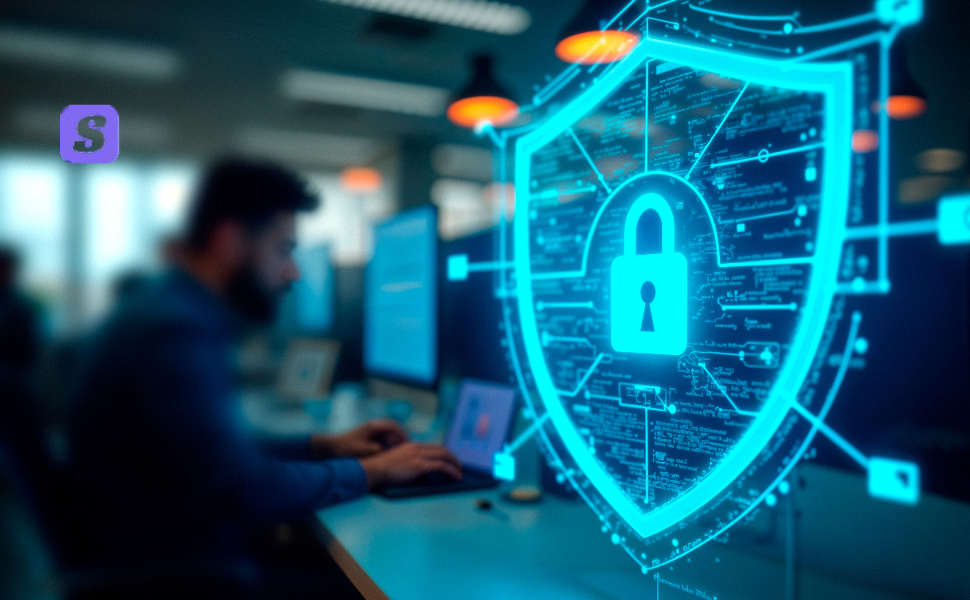

2025 has pushed digital transformation into overdrive. Companies rely on cloud platforms, remote teams, and automation more than ever—and with that comes rising cyber danger. While most businesses install an Antivirus for PC expecting full protection, modern threats are far more complex. The truth? Traditional antivirus alone can no longer keep up with today’s attack landscape.
Cybercriminals are smarter, faster, and using advanced tools—often powered by AI—to bypass outdated defenses. And that leaves many companies vulnerable in ways they don’t even realize.
What Corporate Antivirus Failures Really Mean
When people hear “antivirus failure,” they imagine software crashing or missing a virus. But in 2025, the weaknesses run much deeper. Many businesses still assume that installing an Antivirus for PC on employee devices equals safety. Unfortunately, modern malware is designed specifically to slip through those cracks.
Today’s cyberattacks:
- Hide inside encrypted files
- Change their code to avoid detection
- Operate silently inside memory
- Target endpoints with outdated security
- Use AI to mimic legitimate activity
These threats aren’t stopped by signature-based antivirus tools—because they evolve faster than the antivirus database.
How These Weaknesses Impact Companies in 2025
Here’s how corporate antivirus failures are showing up in the real world:
Outdated Antivirus Installations
Employees ignore updates. Remote devices miss patches. Some workers disable real-time protection because it “slows down the PC.”
Without updates, even the best Antivirus for PC loses its ability to detect new threats.
No Centralized Oversight
IT teams often assume protection is running everywhere—but they don’t have dashboards that confirm it.
Result: unprotected machines become open doors for attackers.
Antivirus Overconfidence
Many companies rely completely on one layer of defense. Meanwhile, cybercriminals use blended attacks that require multiple security tools to stop.
Human Error
Even with strong antivirus, employees still:
- Click suspicious links
- Download unsafe attachments
- Use weak passwords
- Install unapproved apps
Antivirus can’t fix careless decisions.
Slow Threat Response
Alerts appear, but IT teams are overwhelmed. A delay in action—even minutes—gives malware time to spread.
Why These Threats Are More Dangerous Than Ever
Unlike older malware, today’s attacks don’t rely on simple viruses. They:
- Run without leaving files
- Blend into memory like legitimate processes
- Use AI to avoid patterns
- Target remote devices with weak protection
And because many companies believe their Antivirus for PC is “good enough,” attackers face less resistance than expected.
Common Corporate Threats Slipping Past Antivirus in 2025
Here are the types of attacks bypassing traditional defenses:
Zero-Day Attacks
Hackers exploit new vulnerabilities before antivirus providers can update their detection rules.
AI-Driven Malware
Threats that learn, adapt, and hide based on system behavior.
Fileless Attacks
Malware that operates entirely within RAM—no files, no signatures.
Ransomware
Fast, aggressive, and often unstoppable by basic antivirus tools.
Phishing 3.0
Sophisticated social engineering that antivirus can’t detect at all.
How Companies Can Protect Themselves
The answer isn’t removing your Antivirus for PC—it’s strengthening what surrounds it. Here’s what businesses should focus on in 2025:
1. Keep Antivirus Fully Updated
Turn on automatic updates. Enforce them. Make sure every endpoint—office, home, mobile—is protected.
2. Use a Multi-Layered Security Approach
Combine antivirus with:
- Endpoint Detection & Response (EDR)
- AI-driven threat monitoring
- Strong firewalls
- Regular software patching
- Multi-factor authentication
Layers matter.
3. Train Employees Regularly
A trained employee is stronger than a powerful antivirus. Teach teams how to identify:
- Phishing
- Social engineering
- Fake downloads
- Suspicious links
4. Monitor All Endpoints
Use centralized dashboards to ensure no device is left unprotected.
5. Perform Routine Security Audits
Check for:
- Disabled antivirus
- Missed updates
- Unauthorized software
- Vulnerable configurations
Audits catch silent failures before hackers do.
The Cost of Ignoring These Weaknesses
When corporate antivirus fails, the consequences can be severe:
- Stolen customer data
- System downtime
- Ransom payments
- Legal penalties
- Loss of customer trust
- Long-term financial damage
Most breaches that make headlines started with something small—a missed update, a single unprotected device, or a simple phishing click.
Final Thoughts
2025 has changed the cybersecurity battlefield. Companies can no longer rely on a basic Antivirus for PC and hope for the best. Threats are smarter. Attackers are faster. And corporate environments are more exposed than ever.
But awareness creates strength. By recognizing where antivirus protection falls short—and upgrading security practices—businesses can stay ahead of modern cyber threats.
The message is simple: Antivirus is essential, but it’s no longer enough. Protect your systems, train your people, and treat cybersecurity as a shared responsibility. In 2025, that’s the only way to stay truly safe.
Best Business Security Software SiyanoAV
#cybersecurity #cybernews #freeantivirus #antivirusforpc #siyanoav #totalantivirus
#businesssoftware #software #antivmalware #digitalsecurity




Leave a Comment