

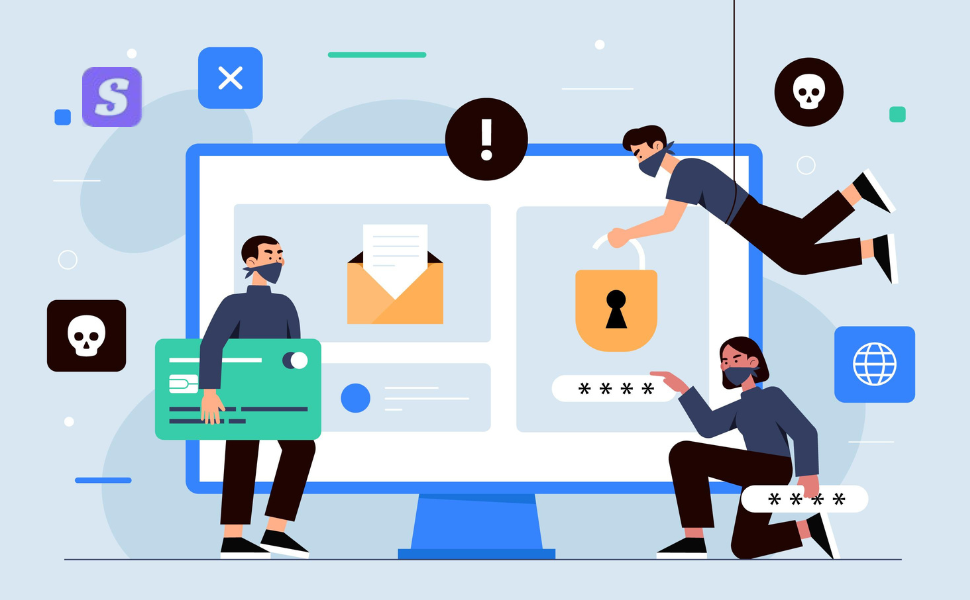

South Korea’s largest e-commerce company, Coupang, has confirmed one of the most significant data breaches in the country’s history, exposing the personal information of more than 33 million users. The incident has triggered shock across the nation, shaken customer trust, and raised serious questions about corporate data-security standards in Asia’s fastest-growing digital markets.
What Happened?
In early December 2025, Coupang released an official notice revealing that an unauthorized party had gained access to its user database. A government directive later forced the company to revise its disclosure, confirming that the breach impacted 33.7 million registered accounts, nearly 65% of South Korea’s population.
Investigations indicate that the attackers infiltrated Coupang’s internal systems months before detection, quietly harvesting data without triggering alert mechanisms. This delay in discovery has intensified criticism of the company’s cybersecurity posture.
What Data Was Exposed?
According to initial assessments, the compromised data includes:
- Full names
- Email addresses
- Phone numbers
- Delivery addresses
- Order history
- Customer preferences
No financial or payment details have been confirmed as leaked yet, but officials are still investigating deeper system logs to understand the full scale of exposure.
Why This Breach Is So Serious
The sheer scale alone makes this one of Asia’s largest e-commerce breaches ever. The leaked information can be easily used for:
- Phishing attacks
- Identity impersonation
- Targeted scams
- Social engineering
- Unauthorized account access
Moreover, order history and addresses reveal sensitive lifestyle patterns, making users vulnerable to complex fraud schemes.
South Korean lawmakers have already called for stricter corporate penalties, demanding accountability and reinforcing cyber-security laws. The government is investigating whether Coupang violated user-data protection regulations.
Ongoing Investigation
South Korea’s National Police Agency has launched a full-scale probe to understand:
- How attackers gained initial access
- Whether insiders were involved
- Why the breach remained undetected for months
- Whether Coupang delayed disclosure
Regulators are pressing the company for transparency as public outrage grows.
Coupang’s Response
Coupang has apologized to affected users and claimed it is working with cybersecurity experts to tighten security layers. However, many customers argue that notifications were slow, incomplete, and confusing — which further damaged the company’s reputation.
Analysts predict that this incident may reshape South Korea’s digital privacy landscape, prompting stronger penalties and mandatory security standards for major online platforms.
What Users Should Do Now
If you are a Coupang user or used its services through partners, follow these steps:
✔ Change your account password immediately
Use a strong, unique password that you don’t use on other sites.
✔ Enable 2-Step Verification (2FA)
Adds an extra layer of protection even if your credentials are leaked.
✔ Beware of phishing calls or emails
Attackers may pose as Coupang representatives or delivery agents.
✔ Track your financial accounts
Stay alert for suspicious activities, even unrelated to Coupang.
✔ Avoid clicking unknown links
Scammers may use leaked personal info to send highly targeted messages.
The Bigger Picture
The Coupang breach is a wake-up call for the entire global e-commerce industry. As platforms grow, customer data becomes a high-value target for cybercriminals. Without continuous investment in security, even tech giants can suffer catastrophic failures.
This incident serves as a reminder that data protection is not optional — it’s essential for maintaining user trust.
Stay Safe Stay Happy with SiyanAV Total Security Software.
#cybersecurity #cybernews #antivirus #safebanking #totalsecurity #siyanoav


Leave a Comment