


Introduction
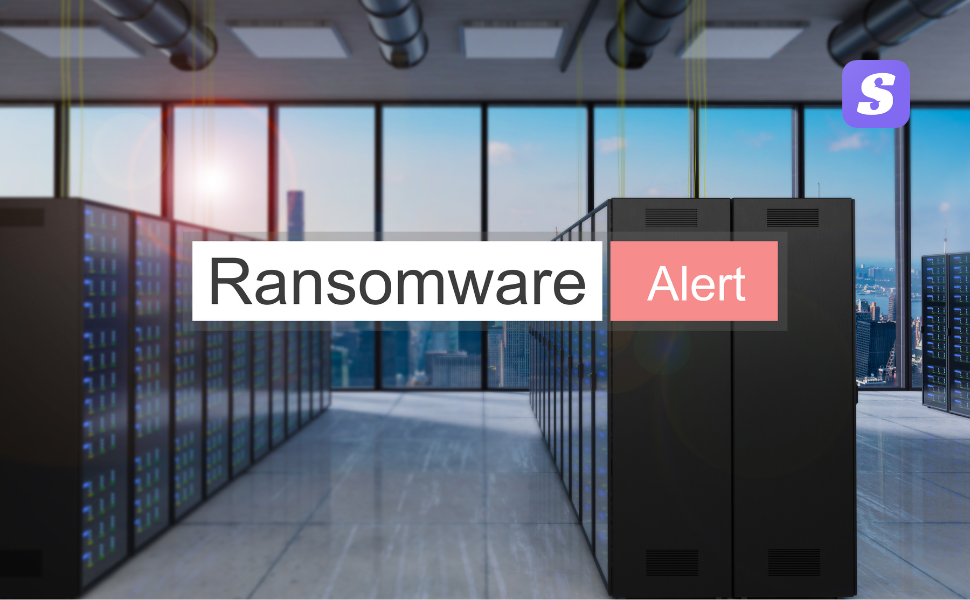
In September 2025, a ransomware attack against Collins Aerospace, a major provider of airport check-in and boarding software, sent ripples through the European aviation sector. Automatic check-in systems failed, flights were delayed or canceled, and passengers faced long queues and chaos. The incident starkly exposed vulnerabilities in aviation’s dependence on third-party software providers.
What Happened — Timeline & Key Facts
- Targeted System: The attack hit Collins Aerospace’s MUSE (Multi-User System Environment), which is used by multiple airlines to share check-in desks, kiosks, boarding gate assignments, and baggage drop systems.
- When: The incident began late Friday (Sep 19, 2025). By the weekend, disruptions were widespread.
- Affected Airports: Some of the major airports impacted were:
London Heathrow, UK
Brussels Airport, Belgium
Berlin Brandenburg, Germany
Dublin and Cork, Ireland (less severe)
- Nature of Disruption:
Automatic check-in desks, kiosks, baggage drop systems and boarding gate infrastructure dependent on MUSE were disabled.
Airports reverted to manual check-in, using iPads, laptops, paper boarding passes. Longer queues, delays.
Flight cancellations and delays: dozens of flights canceled (e.g. Brussels canceled ~60 of 550 flights on a given day) and many more delayed.
- Official Confirmation: On Monday (Sep 22, 2025), the European Union Agency for Cybersecurity (ENISA) confirmed that the incident was caused by a ransomware attack affecting a third-party software vendor (Collins Aerospace).
- Current Status (as of reporting): Collins Aerospace is working on restoring full functionality, issuing updates / patches, in cooperation with affected airports and national security/cyber agencies. Many functions are recovering or have been partially restored.
Why This Matters — Implications & Risks
- Supply-chain / Third-party Risk: Even if an airline or airport has strong internal security, it can be severely impacted by vulnerabilities in external service providers. MUSE’s compromise led to cascading operational failures.
- Operational Resilience: Airports traditionally emphasize physical safety, but digital resilience (backup systems, manual fallback, redundancy) is equally critical. The ability to revert to manual procedures likely prevented even worse outcomes.
- Passenger Impact & Reputation: Delays, cancellations and confusion hurt passenger trust, airline/airport reputation, and potentially costs (both direct, from disruptions, and indirect, from reputational damage).
- Regulatory & Security Posture Pressure: Incidents like this may drive tighter regulations on cybersecurity, particularly for critical infrastructure and third-party vendors. The EU’s NIS2 directive and aviation safety regulations may come under scrutiny
- Ransomware Trends: This case is another example of ransomware being used not just for data theft or encryption, but for disruption of physical systems and services with real-world impact.
Unknowns & Open Questions
- Attacker Attribution: Who is behind the attack has not been publicly confirmed. There’s no verified claim of responsibility as yet.
- Ransom Payment & Data Leakage: It’s unclear whether a ransom has been demanded or paid, or whether any customer / passenger data was exfiltrated.
- Full Extent of Damage: How deeply internal systems were affected, what level of encryption was used, how many systems/computers compromised, etc., are not fully disclosed.
Lessons Learned & Recommendations
For Airports / Airlines / Service Providers:
- Redundancy & Manual Backup Plans: Ensure that critical services (check-in, bag drop, boarding gates) have fallback procedures and infrastructure (offline or manually operable) that can be deployed quickly.
- Vetting and Monitoring Third-Party Vendors: Beyond SLAs and performance, contracts should include cybersecurity requirements, incident response obligations, and transparency of their security posture.
- Network Segmentation & Least Privilege: So that a breach in one system (e.g. check-in) doesn’t cascade to boarding, gate operations, or worse.
- Incident Response Drills: Regular drills involving vendors, airports, and airlines to simulate digital disruption, to test communication, roles, fallbacks.
- Continuous Monitoring & Threat Intelligence: To detect signs of intrusion early and to respond quickly.
- Regulatory Compliance & Reporting: Be proactive with cybersecurity regulation; share evidence / indicators of compromise with authorities; ensure readiness for audits.
For Regulators & Policy Makers:
- Update guidance / requirements for third-party providers in the aviation sector.
- Strengthen requirements for critical infrastructure (airports + vendors) to adhere to cybersecurity best practices.
- Facilitate cross-border coordination & information sharing in cybersecurity for aviation.
- Potentially mandate minimum redundancy / fail-safe standards in digital systems for airports.
For Passengers:
- Stay informed: check flight status before traveling.
- Understand that cyber incidents are a possible source of delay or cancellation.
- Be flexible: know alternative check-in options, allow extra time.
Broader Context
This incident isn’t isolated. Ransomware has been increasingly used to target supply chains and critical infrastructure:
- Previous attacks disrupted hospitals, utilities, and government functions.
- Aviation has been a growing target: dependency on interconnected systems (software, cloud services, third-party providers) makes it vulnerable.
- Global awareness increasing: governments and organizations are investing more in cyber defenses, but often lag behind evolving threats.
Conclusion
The Collins Aerospace attack is a wake-up call. It shows that:
- Even well-established providers are vulnerable.
- Disruption to seemingly non-core systems (check-in, boarding) can cascade into major operational and financial losses.
- Cyber resilience must be built in: not as an afterthought but as a core design principle.
As airports and aviation authorities work to restore systems and assess the damage, the real question will be what changes follow. Will we see stronger regulation, better vendor oversight, more resilient infrastructure? Or will the next attack cause even greater chaos? Stay Safe with SiyanoAV
#cybersecurity #cybernews #siyanoav #digitalsecurity


This is very interesting, You are a very skilled blogger. I’ve joined your rss feed and look forward to seeking more of your magnificent post. Also, I have shared your website in my social networks!