

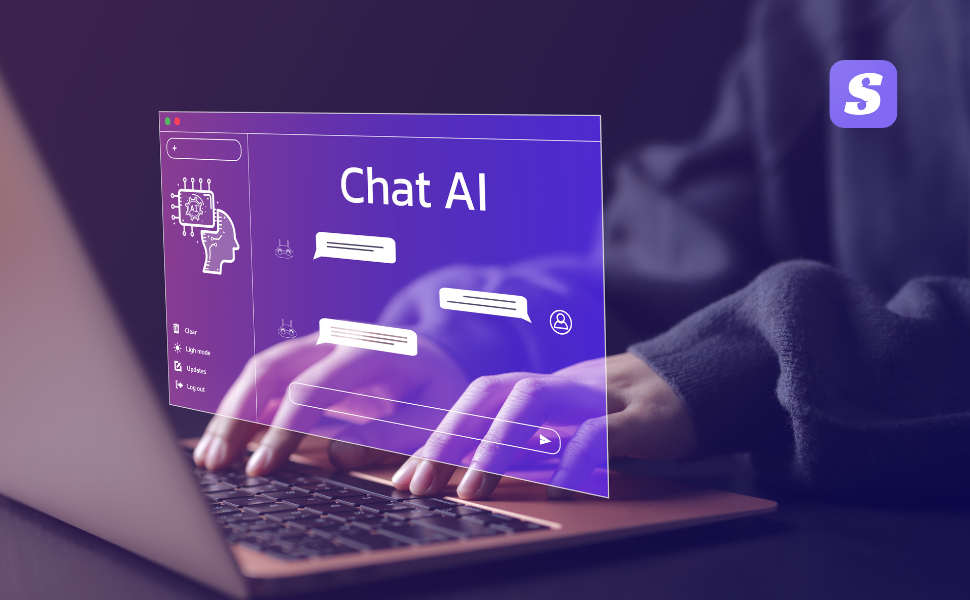

Artificial intelligence has reshaped 2025. Chatbots are everywhere—booking flights, giving medical advice, helping students, even flirting. But while AI assistants are getting smarter, so are the scammers who exploit them. One of the biggest cybersecurity threats of 2025 isn’t just phishing or ransomware—it’s AI chatbot scams.
What Are AI Chatbot Scams?
AI chatbot scams happen when criminals use advanced chatbots (often powered by large language models) to trick victims into sharing personal details, sending money, or installing malware. Unlike the clumsy scams of the past, these bots:
- Hold long, human-like conversations
- Use local language and slang
- Adapt to your emotions—sympathy, urgency, romance, even humor
- Scale conversations with hundreds of victims at once
The result? Scams that feel personal, authentic, and believable.
How They Work in 2025
Here are the main forms AI chatbot scams are taking this year:
- Fake Job Recruiters
Victims receive messages from “HR representatives” on WhatsApp, LinkedIn, or Telegram. The bot offers a job but demands upfront “training fees” or personal banking details. - Romance & Companion Bots
AI-powered “companions” pose as romantic interests, slowly gaining trust before asking for financial help or persuading victims to invest in fake schemes. - Investment & Crypto Gurus
Bots disguised as financial advisors or “crypto mentors” offer guaranteed returns. They share charts, stats, and fake testimonials generated by AI to look legitimate. - Customer Support Impersonation
Hackers deploy bots pretending to be official support from banks, airlines, or delivery companies. Victims hand over account numbers, OTPs, or credit card details. - Pig-Butchering 2.0
Long-term grooming scams—where criminals build relationships before introducing fraudulent investments—are now turbocharged by AI, which keeps victims hooked for months.
Why These Scams Are So Dangerous
Unlike traditional scams, AI chatbots don’t get tired, angry, or inconsistent. They:
- Remember details from past conversations
- Personalize responses based on your mood
- Sound natural, with no spelling or grammar errors
- Can even generate fake voices or images to “prove” their identity
This makes them far harder to detect than the obvious scam emails we used to laugh at.
How to Protect Yourself in 2025
You can stay ahead of these scams by watching for warning signs:
- A “recruiter” or “advisor” asks for money upfront.
- Conversations feel a little too perfect—always instant, always polite.
- Requests to move chats off official platforms (e.g., “let’s continue on WhatsApp”).
- Push for urgency: “Act now or miss this opportunity.”
- Refusal to provide verifiable identity (official company email, video call, etc.).
Quick Safety Tips
Verify job offers or support requests through official company websites.
Don’t send money or sensitive info to anyone you haven’t met in person.
Use MFA (multi-factor authentication) everywhere possible.
Be cautious with AI companion apps that ask for payments or personal details.
Trust your gut—if it feels too good to be true, it probably is.
Final Thoughts
AI is a double-edged sword. In 2025, the same technology that powers helpful assistants is also arming criminals with tools to scam at scale. The difference between falling victim and staying safe often comes down to awareness. The key takeaway? Treat every online interaction—whether with a “recruiter,” “advisor,” or even a “friend”—with healthy skepticism. AI may be smart, but so are you. Stay alert, stay safe, and don’t let a chatbot write your financial future.
#cybernews #cybersecurity #ai #scams #digitalscam



Leave a Comment