


Introduction
Your financial data is your digital lifeline. From online banking to digital wallets, everything runs through the internet. But as convenience grows, so do cyber threats. Hackers are constantly evolving their tactics to steal sensitive financial information—and the consequences can be devastating.
In this blog, we’ll explore how hackers steal financial data and practical steps you can take to protect yourself.
How Hackers Steal Your Financial Data
Cybercriminals use a mix of technical exploits and social engineering to access your accounts. Here are the most common methods:
1. Phishing Scams
Phishing remains the top method hackers use to steal financial details. They send emails, SMS, or social media messages that look like they’re from your bank or payment provider.
✔ Example:
“Your account has been suspended. Click here to verify.”
Clicking the link takes you to a fake login page that captures your credentials.
2. Data Breaches at Financial Institutions
Even when you practice good security hygiene, banks and credit bureaus can be breached.
Example: The TransUnion breach (2025) exposed data of 4.4 million consumers.
3. Malware & Keyloggers
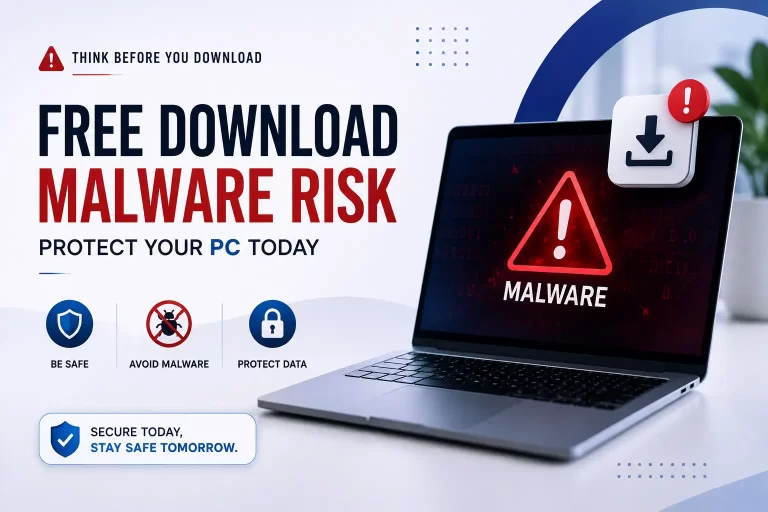
Malware can enter your system via malicious downloads, email attachments, or fake apps.
Keyloggers record every keystroke—including your banking passwords.
4. Public Wi-Fi Attacks (MITM)
Public Wi-Fi is often unsecured. Hackers can intercept your internet traffic using a Man-in-the-Middle (MITM) attack and steal credentials or credit card details.
5. Credential Stuffing
If you reuse passwords, hackers can take stolen credentials from previous breaches and use them on your bank accounts.
6. Fake Banking Apps & Websites
Cybercriminals create look-alike apps or websites to trick users into entering sensitive information.
7. Insider Threats
Sometimes, employees with access to your financial data may sell or leak it on the dark web.
How to Protect Your Digital Lifeline
Knowing the threats is half the battle. Here’s how you can protect yourself:
1. Use Strong, Unique Passwords
- Avoid reusing passwords across accounts.
- Use a password manager to generate and store them securely.
2. Enable Multi-Factor Authentication (MFA)
Even if your password is compromised, MFA adds an extra layer of security.
3. Keep Devices & Software Updated
- Install updates regularly.
- Updates patch vulnerabilities that hackers exploit.
4. Avoid Public Wi-Fi for Financial Transactions
If you must use public Wi-Fi, always connect through a VPN for encryption.
5. Stay Alert for Phishing
- Verify email senders before clicking links.
- Banks never ask for sensitive information via email or SMS.
6. Download Apps Only from Official Sources
- Only install banking apps from official app stores.
- Check for HTTPS and security certificates on websites.
7. Monitor Your Accounts
- Enable transaction alerts.
- Regularly check credit reports for suspicious activity.
8. Consider a Credit Freeze
If your data is exposed, freezing your credit can prevent identity fraud.
Final Thoughts
Your financial data is as important as your wallet, maybe more. Hackers target weak links, but you can make their job harder by following the security practices outlined above.
Stay informed. Stay secure. Your digital lifeline depends on it.
#safebanking #siyanoav #cybersecurity #digitalsecurity #totalsecuirty


Leave a Comment